● Live Data
Walrus Audio · Pro Audio
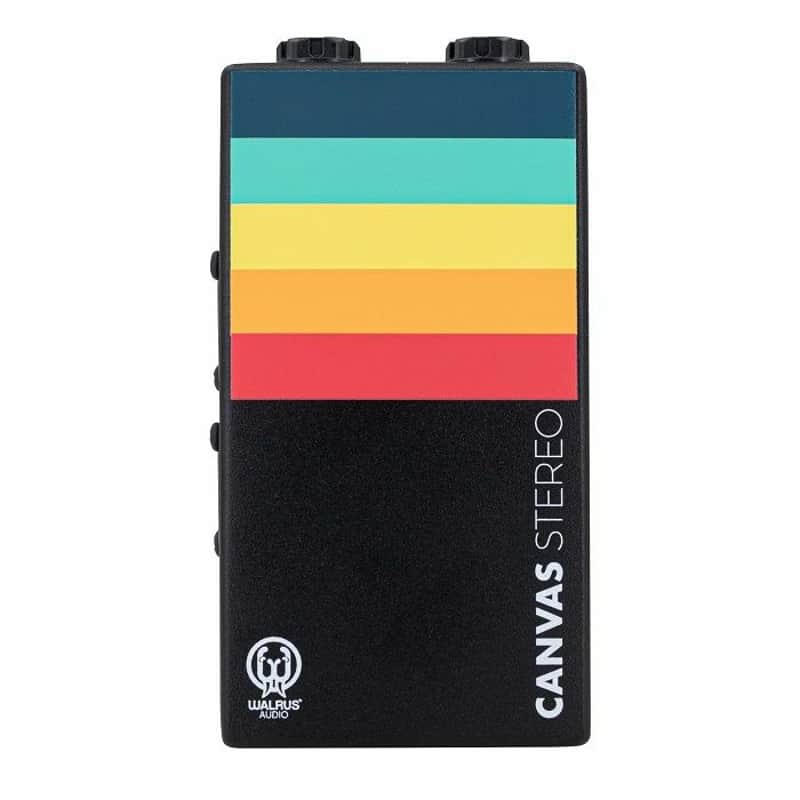
Walrus Audio Stereo Line Isolator & Passive DI Box Canvas
£253.16Fair Value1 stores tracked
Buy Signal
Price near historical average — neutral outlook
Confidence: 50/100
RSI (14)
—
Need 15+ data points
Volatility (ann.)
—
Need more data
30d Momentum
—
Need 30+ data points
Price Position
—
No 90d range data
EMA 20
—
EMA 50
—
Need 50+ data points
90d Low / High
—
30d Forecast
—
→ Stable
Product Fundamentals
- Consider this your clean slate. The Canvas Stereo is a Direct Box/LIne Isolator designed to remove any resistance between you and your audience by giving a pristine, sonic foundation to build your stereo masterpiece upon. From houses of worship to the dive bar downtown
- Canvas Stereo is built to be the performance tool that goes wherever you are making your music. Canvas Stereo is a Passive Line Isolator (LI) and Direct Injection (DI) device that converts your unbalanced signals into balanced signals for interfacing properly with your recording interface or mixer at front-of-house. If you're using an amp-in-a-box (DSP Guitar Rig), like our ACS1, keyboards, or any other instrument utilizing both left and right outputs, then the Canvas Stereo is your new bridge to the front-of-house. The Canvas Series DIs pack everything you need from a DI/LI into a standard pedal-sized enclosure designed to look great right on top of your board. Direct Injection: Use DI mode when connecting an unbalanced, high impedance source (Electric Guitar
- Bass Guitar, etc). The signal will be reduced by -20dB (-35dB with pad engaged) and converted to a balanced signal via the transformer connected to the XLR output. Use the gain on your mixer or preamp to bring up to line level. Line Isolator: Use the LI when needing to connect your unbalanced, low impedance source (Amp + Cab Sim like the ACS1, keys, etc.). The signals will remain full volume and be converted to balanced signals via the transformer connected to the XLR output. Less preamp gain will be required in LI. DI or LI? When deciding between DI or LI, check with the manufacturer of your gear to find the output impedance of the device you are wanting to interface. For a general guide:High Impedance = anything above 1k = Use DILow Impedance = less than 1k = Use LI . Troubleshooting: This is a passive device, so you will not damage anything if connected improperly, but it could affect the signal level and frequency response if not connected properly. This is an easy thing to test since the LI/DI switch is built into Canvas. If you lose high-frequency information when using LI mode, then you should probably be in DI mode.
GearDeals Intelligence · Data from 0 historical price points · Analysis is informational only, not financial advice